 Summers in the UAE are harsh and if you are staying in the UAE, we recommend familiarizing yourself with some risks, signs and symptoms of Heat Stress. Find out how to identify common health problems and how to deal with them.
RISK FACTORS FOR HEAT RELATED ILLNESS
As the mercury soars, it brings with it a number of health problems, the most common being dehydration. If the signs and symptoms of Heat Stress are not recognized and acted upon, they can lead to some serious or even fatal illnesses. There are also some personal risk factors that may affect your ability to deal with heat stress. Conditions like cardiovascular diseases, diabetes, malnutrition, poor physical fitness or even sleep deprivation can add to the risk of heat related illnesses.
SIGNS AND SYMPTOMS OF HEAT STRESS
Prickly Heat/Heat Rash – These appear on the skin as tiny red vesicles (bumps) in areas continuously wet with un-evaporated sweat. Treat prickly heat by  replacing wet clothing.
Heat Cramps – These are muscle spasms caused by salt loss and dilution of tissue fluid. Cramps usually occur during or shortly after work that involves profuse sweating. Treatment involves movement into cool environment and drinking fluids.
Heat Exhaustion – This is generally a mild form of heat disorder resulting from dehydration. Symptoms may include clammy skin, pale complexion, fatigue, nausea, and headache. Treatment involves movement into a cool environment and drinking fluids.
Heat Stroke – This is a type of Hyperthermia where the body temperature is greatly elevated as a result of it’s inability to cool down on its own. Symptoms include hot dry skin, confusion, loss of consciousness, headaches, nausea, difficulty in breathing and convulsions. Treatment includes rapid cooling of the body’s temperature by applying cool water to the skin and/or placing ice packs under the arms. This can be fatal in some cases and seeking immediate medical attention is recommended.
ENSURE YOU ARE WELL HYDRATED
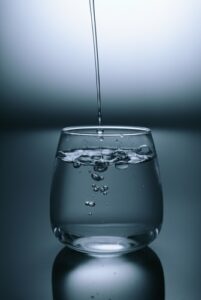
Sip water all day long, rather than just when you are thirsty. If you are thirsty it means you are already dehydrated. Fruits and vegetables with hig
h water content can also help to hydrate. Watermelon, rock melon, papaya, strawberries, cucumber, tomatoes and celery have high water content. Avoiding drinks with
caffeine and alcohol might be a wise thing to do since these are diuretics and dehydrate you further. Foods like broth based soups, cold homemade soups are particularly cooling. Boost and maintain electrolytes in your diet with Greek yogurt or laban, sardines, pumpkin seeds, kale, spinach or even by adding a little sea salt to your food. When we sweat we loose not only water but also electrolytes so it is important to replenish those.
One way of checking your self for dehydration is by checking the colour of your urine. If you are well hydrated, your urine will be light in colour and have sufficient volume. Darker urine means you should drink more fluids. You can do a simple self check for this in the restroom.
MORE TIPS TO KEEP IT COOL
Other things to keep in mind during this harsh and hot weather is to avoid exercising outdoors especially during humid conditions since it makes it difficult for the body to cool down. Also try to get adequate sleep and wear lightweight and loose clothing during this time. If you have to step out, acclimatize yourself by limiting the time spent in the heat and by resting frequently in a cool spot. It is generally advisable to avoid strenuous activity outdoors and to take it easy during the hottest part of the day.
 Never leave anyone, including your pets out in a parked car in the heat. Keep these tips in mind and educate others around you to take better care during the hot summer.